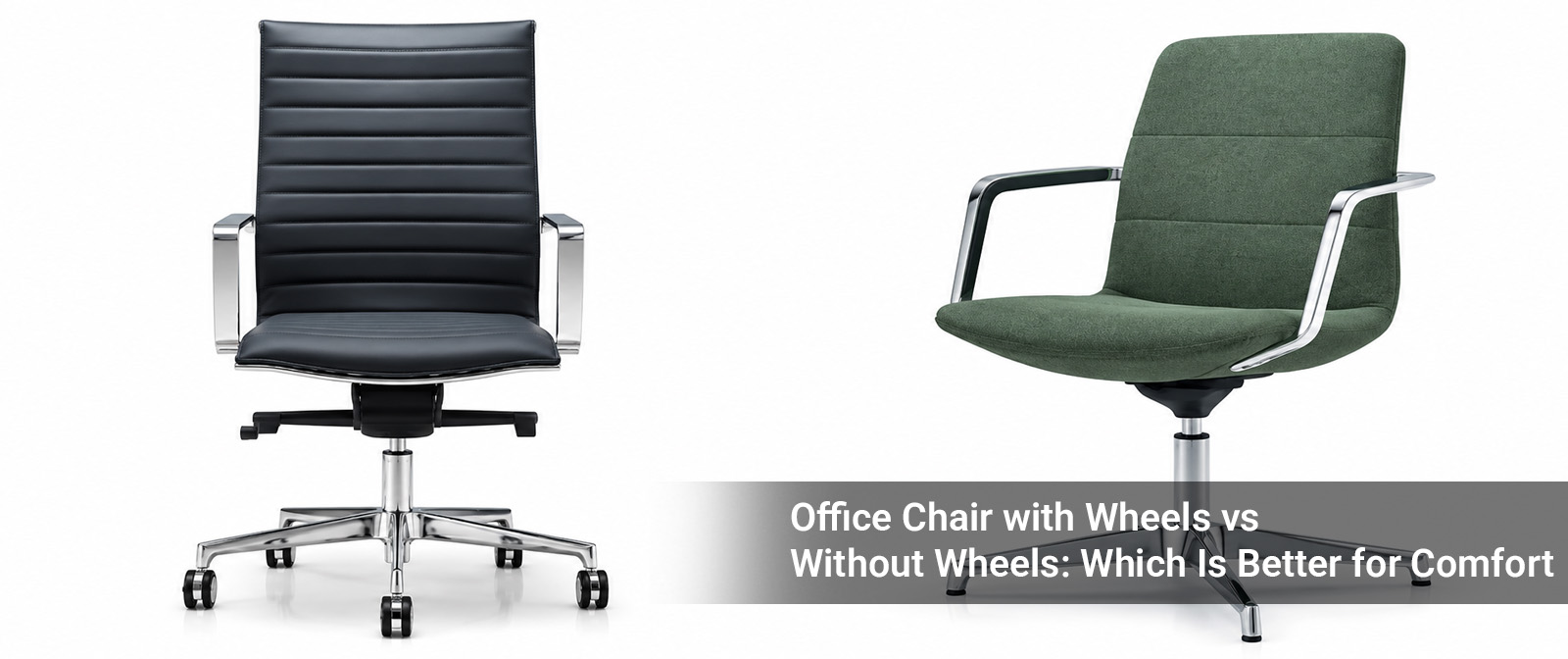
Quick Answer: An office chair with wheels is better for people who move frequently between desks, computers, and workstations. It allows easy movement without constantly standing up. An office chair without wheels offers greater stability and works well in meeting rooms, reception areas, and spaces where movement is limited. The better choice depends on your daily tasks, available space, and comfort needs.
Key Facts: What Should You Know Before Choosing an Office Chair?
- Mobility: Wheeled chairs allow easy movement around the workspace.
- Stability: Chairs without wheels stay in one position.
- Comfort: Both options can provide good back support when properly designed.
- Floor Protection: Suitable casters and chair mats help prevent floor damage.
- Best Uses: Wheeled chairs suit workstations, while fixed chairs work well in meeting and visitor areas.
- Maintenance: Wheeled chairs require occasional caster cleaning and inspection.
Office Chair with Wheels vs Without Wheels: Which Is Better for Comfort, Mobility, and Daily Office Work?
Choosing the right office chair affects how comfortably you work throughout the day. Some people need a chair that moves easily between desks, while others prefer a stable seat that stays in place.
Both designs offer practical benefits, but they serve different purposes. Understanding their differences helps you choose seating that fits your work routine rather than focusing only on appearance.
What Are the Benefits of an Office Chair with Wheels?
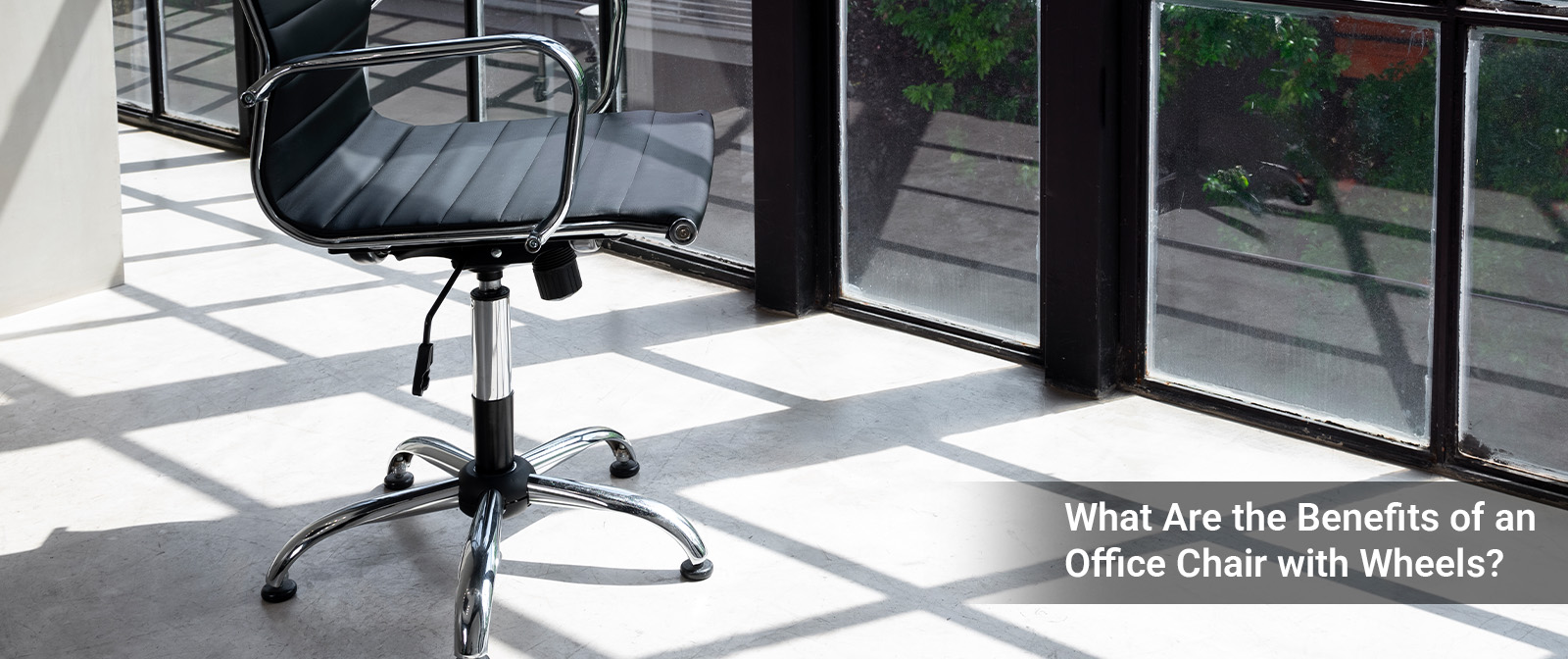
An office chair with wheels makes everyday movement easier. You can reach nearby drawers, move between computer screens, or adjust your position without standing repeatedly.
These chairs are particularly useful in busy offices where employees frequently switch between tasks.
Main advantages include:
- Easy movement around desks and workstations.
- Convenient access to nearby office equipment.
- Less need to lift or reposition the chair.
- Flexible seating for shared workspaces.
- Better mobility when performing multiple desk tasks.
Many workstation chairs include wheels, adjustable seat heights, and supportive backrests. These features make them suitable for employees who spend several hours working at computers.
However, wheels should roll smoothly without making the chair feel unstable.
What Are the Benefits of an Office Chair Without Wheels?
| Office Area |
Recommended Chair |
| Employee Workstations |
Chair with Wheels |
| Executive Cabins |
Adjustable Wheeled Chair |
| Meeting Rooms |
Fixed or Wheeled Chair |
| Reception Areas |
Chair Without Wheels |
| Training Rooms |
Lightweight Fixed or Mobile Chair |
An office chair without wheels provides a stable seating position. Its fixed legs prevent unwanted movement, making it useful in areas where people sit for shorter periods.
Businesses commonly choose stationary visitor chairs and reception chairs because they offer straightforward seating arrangements.
Main advantages include:
- Stable seating without unexpected rolling.
- Suitable for meeting rooms and waiting areas.
- Simple construction with fewer moving parts.
- Easy arrangement around tables.
- Reduced need for caster maintenance.
Fixed chairs also work well in compact spaces where uncontrolled movement could cause inconvenience.
However, users must lift or reposition them when changing locations.
Which Office Chair Is Better for Long Working Hours?

A wheeled office chair is often more practical for long working hours, especially when it includes adjustable lumbar support, seat height, and armrests.
Good office chairs should support a comfortable sitting position regardless of whether they have wheels.
When comparing options, check these features:
- Lumbar Support: Helps support the natural curve of your lower back.
- Seat Height: Allows your feet to rest comfortably on the floor.
- Seat Depth: Provides thigh support without pressing behind your knees.
- Armrests: Support your arms while typing or working.
- Backrest: Supports comfortable posture throughout the workday.
Remember that wheels alone do not make a chair ergonomic. Proper adjustments and regular movement matter more.
Are Office Chairs with Wheels Better for Different Office Spaces?
Different workspaces require different seating arrangements. Choosing chairs according to daily activities improves convenience and keeps furniture arrangements practical.
Executive chairs commonly feature adjustable mechanisms and casters, while meeting room chairs may use either design depending on the room layout.
Similarly, training room chairs should allow easy rearrangement when businesses frequently change seating arrangements.
Can Office Chair Wheels Damage Different Flooring Types?
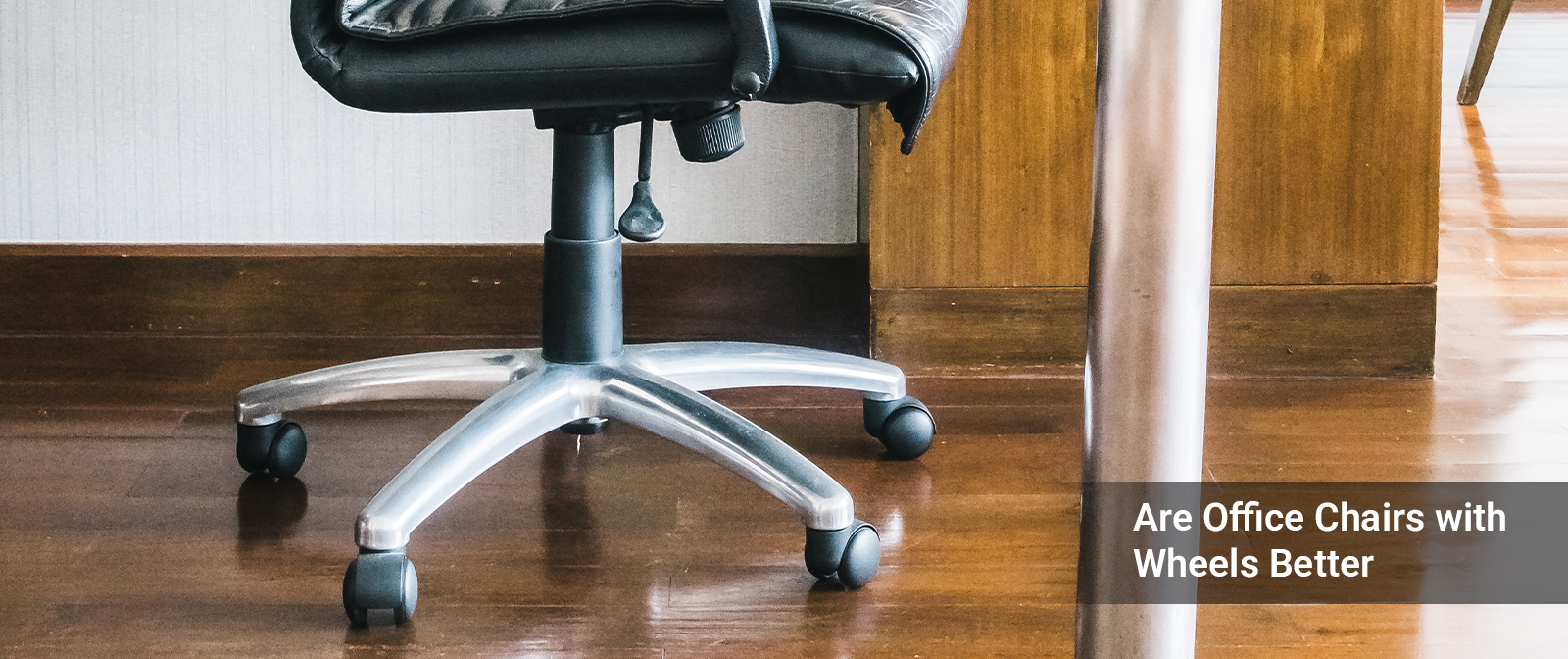
Office chair wheels can damage certain floors when users choose unsuitable casters.
Hard plastic wheels may scratch delicate surfaces, while worn casters can collect dust and debris.
Consider these precautions:
- Use soft casters suitable for hard flooring.
- Choose appropriate wheels for carpeted surfaces.
- Clean trapped dirt from casters regularly.
- Use protective chair mats where necessary.
- Replace damaged wheels before they affect flooring.
Fixed chairs may also scratch floors when moved without protective feet.
Which Office Chair Should You Buy for Your Workspace?
Choose a wheeled chair if your work involves frequent movement, computer use, or access to multiple desk areas. Select a fixed chair when stability, simple maintenance, and organised seating matter more.
Before purchasing, check your desk height, available space, flooring type, and daily sitting duration.
At Officebase, you can explore seating options for workstations, executive offices, meeting rooms, and reception areas.
When deciding Office Chair with Wheels vs Without Wheels: Which Is Better, focus on how you actually use your workspace. A chair that matches your working habits will provide greater everyday convenience than one chosen for appearance alone.
Frequently Asked Questions
1. Is an office chair better with or without wheels?
Wheeled chairs suit active desk work, while chairs without wheels provide stable seating for fixed spaces.
2. Are office chairs with wheels good for long hours?
Yes. Adjustable wheeled chairs with proper back and lumbar support work well for extended desk use.
3. Do office chair wheels damage floors?
Unsuitable or damaged wheels can scratch floors. Soft casters and protective mats help prevent damage.
4. Which chair is best for office work?
An adjustable ergonomic office chair with proper back support is generally suitable for everyday desk work.
5. Are office chairs without wheels more stable?
Yes. Fixed-leg chairs generally provide greater stability because they do not roll during normal use.