Quick Answer: A task chair is designed for everyday desk work, with adjustable features, back support, and easy movement. An executive chair usually has a taller backrest, a wider seat, and a more formal appearance. Task chairs often suit long computer sessions, while executive chairs are popular in private offices and management cabins. Comfort depends on the chair's design and adjustability.
Key Facts: How Do Task Chairs and Executive Chairs Compare
- Design: Task chairs have a simple, practical design, while executive chairs usually look more formal.
- Comfort: Both can provide comfortable seating when properly adjusted.
- Back Support: Many task chairs include adjustable lumbar support.
- Materials: Task chairs often use mesh or fabric, while executive chairs may feature leather or upholstery.
- Price: Task chairs are generally more affordable than premium executive models.
- Best Use: Task chairs suit workstation desks, while executive chairs work well with executive desks.
- Mobility: Both commonly offer swivel bases and wheels.
What Is the Difference Between a Task Chair and an Executive Chair in Design, Comfort, and Daily Use?
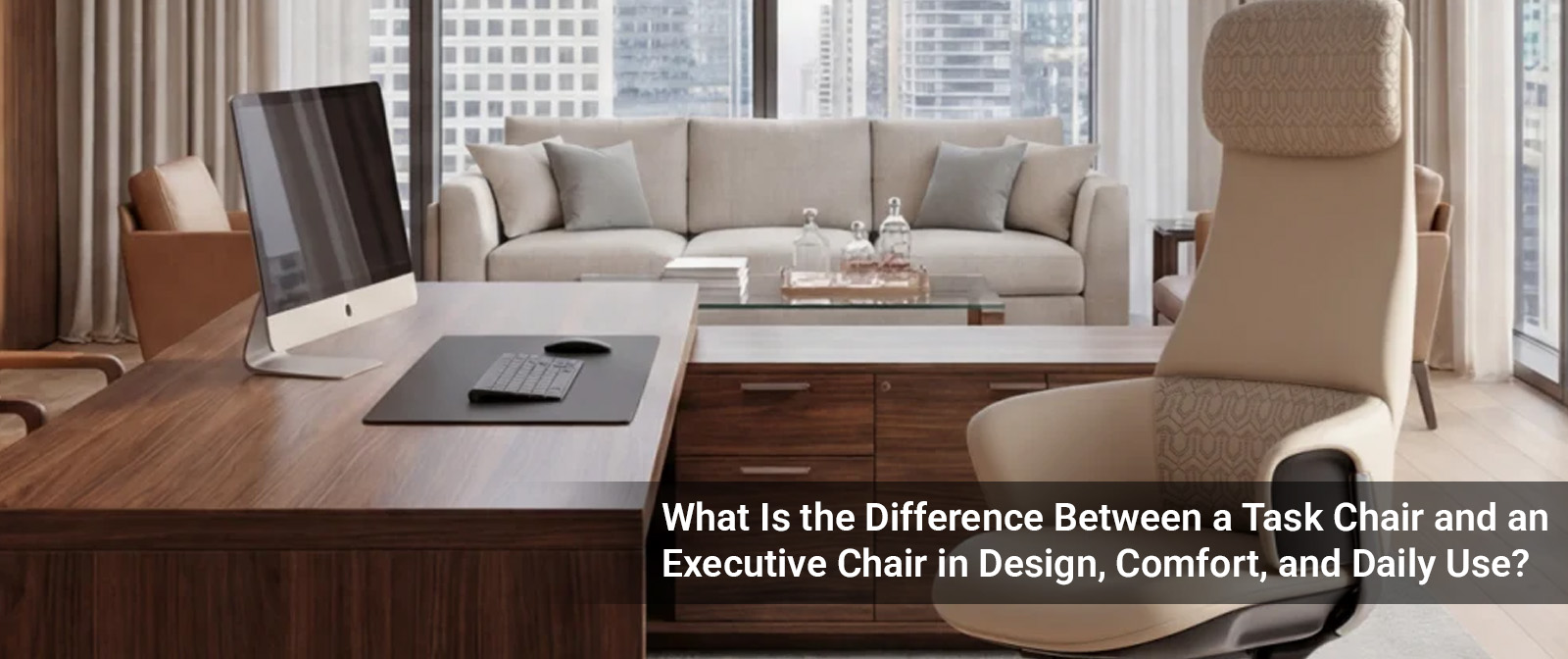
When choosing an office chair, appearance is often the first thing people notice. However, seat comfort, back support, and daily usage matter much more.
Task chairs are commonly used in shared offices, home workstations, and computer-based workplaces. They usually have a compact structure that allows users to move easily between tasks.
Executive chairs focus more on appearance and seating comfort. Many feature high backrests, thick padding, and wider seats.
The main difference is their intended use. A task chair prioritises practical adjustments, while an executive chair often combines comfort with a formal office look.
What Is a Task Chair, and Who Should Use It?
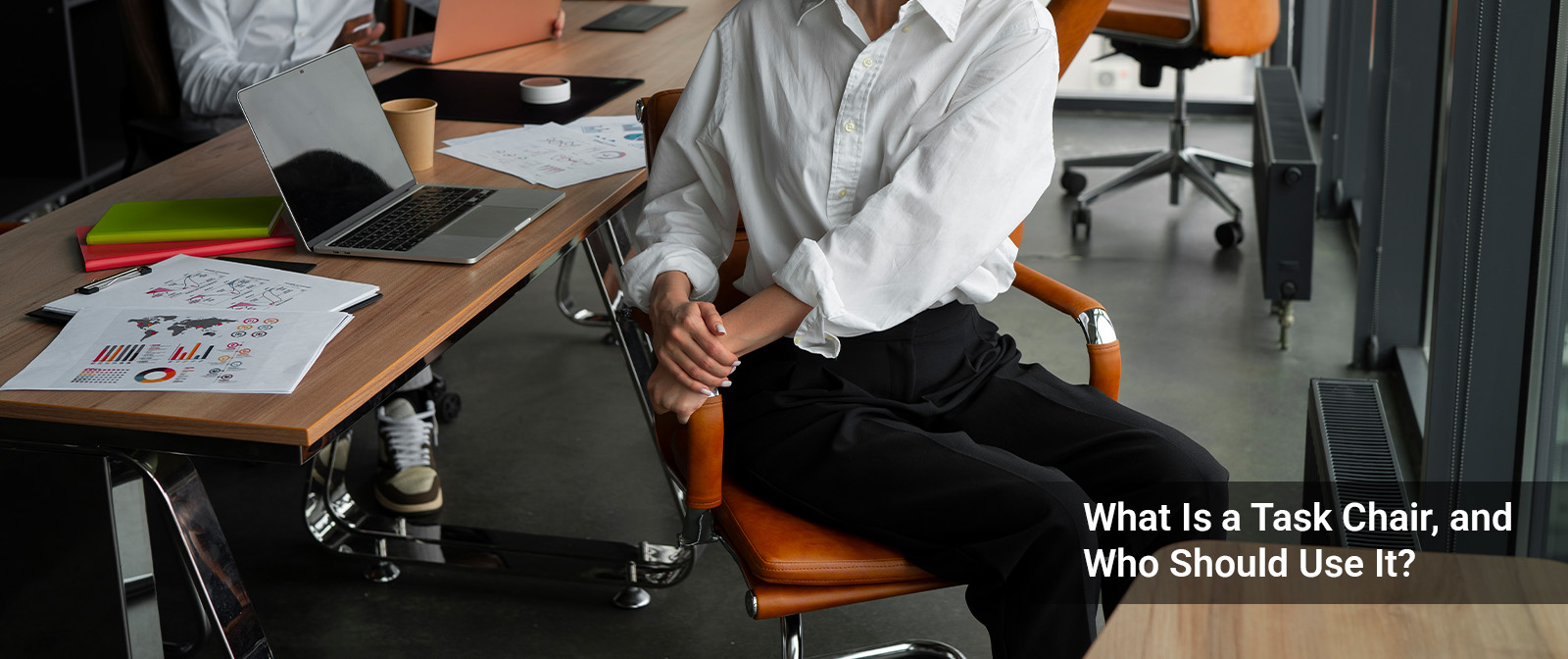
A task chair is an office chair made for regular desk activities such as typing, writing, attending online meetings, and working on computers.
Most task chairs allow users to adjust their sitting position according to their desk height and body size.
Common features include:
- Adjustable seat height for proper desk positioning.
- Lumbar support for the lower back.
- Swivel movement for reaching nearby items.
- Mesh backrests for better airflow.
- Compact frames that fit smaller workspaces.
Task chairs are suitable for employees, students, designers, and people working from home.
Many workstation chairs also fall into this category because they support everyday computer work.
What Is an Executive Chair, and Why Is It Different?
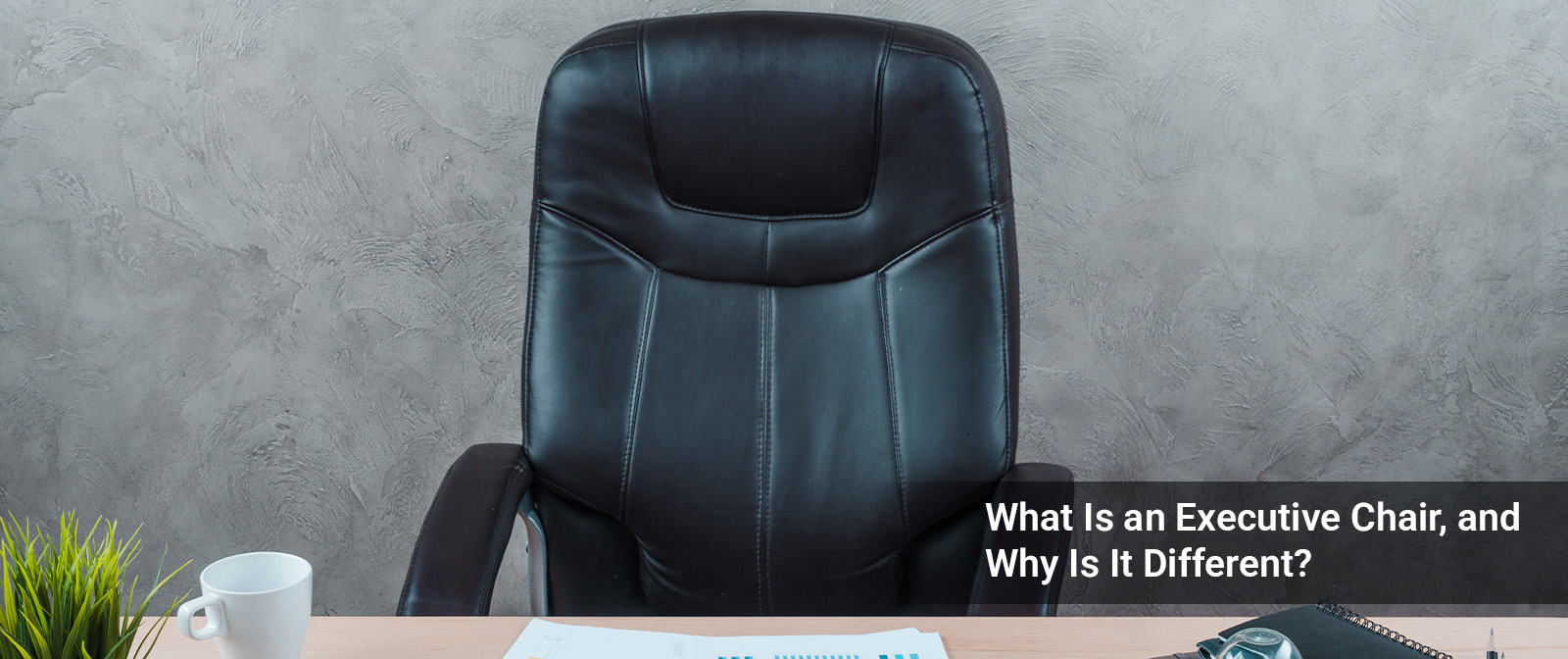
An executive chair is a larger office chair commonly used in private cabins, management offices, and formal workspaces.
These chairs often feature high backrests, padded armrests, and upholstered seating. Some models also include adjustable lumbar support and reclining mechanisms.
Executive chairs are popular because they combine seating comfort with a professional appearance.
They work particularly well alongside CEO desks and executive desks, where furniture design plays an important role in the overall office setting.
However, an expensive executive chair does not automatically provide better back support than a properly fitted task chair.
Which Chair Is More Comfortable for Long Working Hours?
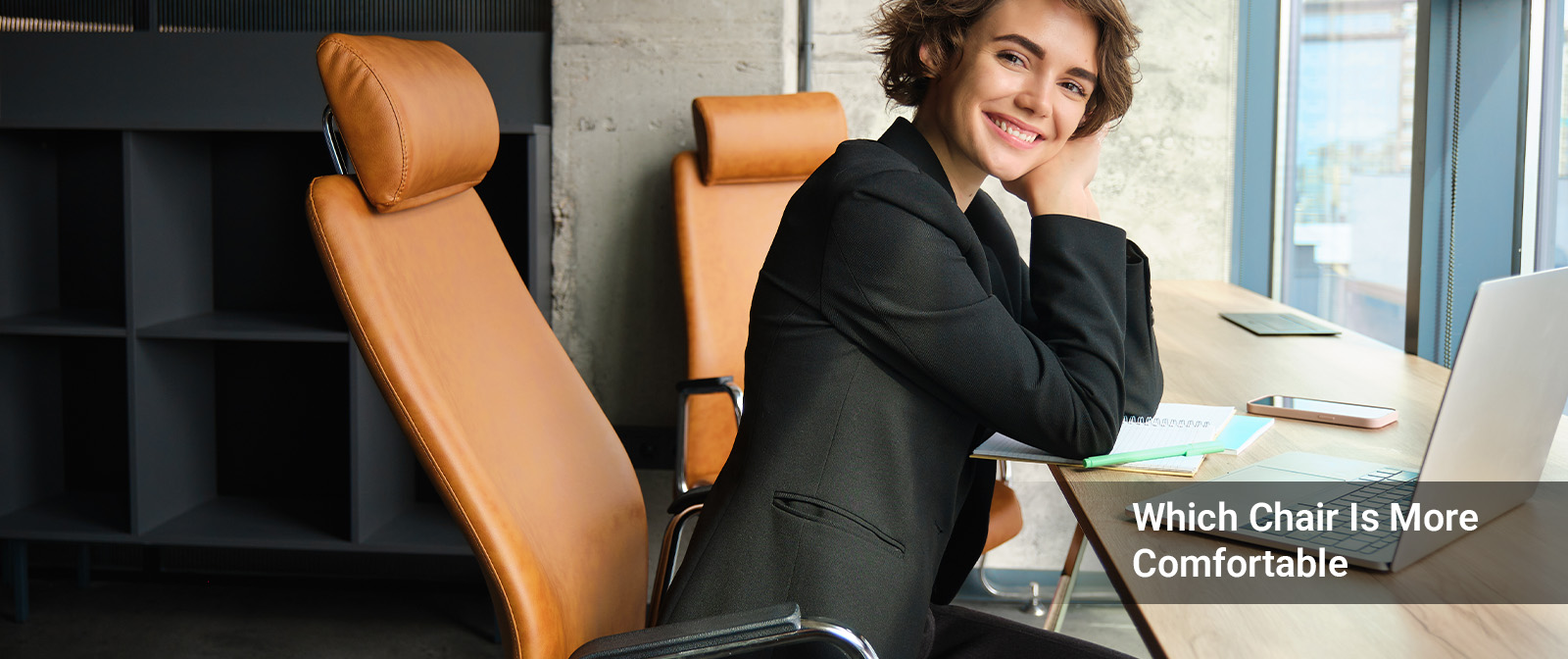
A well-designed task chair often provides better flexibility for people who spend most of their day working at a computer.
Its adjustable features make it easier to change sitting positions throughout the day.
An executive chair can also support extended working hours, especially when it includes:
- Adjustable lumbar support.
- Suitable seat depth and cushioning.
- Reclining backrest with tilt control.
- Comfortable armrest positioning.
According to OSHA's computer workstation guidance, proper chair adjustments and back support are important for comfortable computer use.
The best choice is the chair that fits your body and allows comfortable movement, regardless of its category.
How Do Task Chairs and Executive Chairs Differ in Materials?
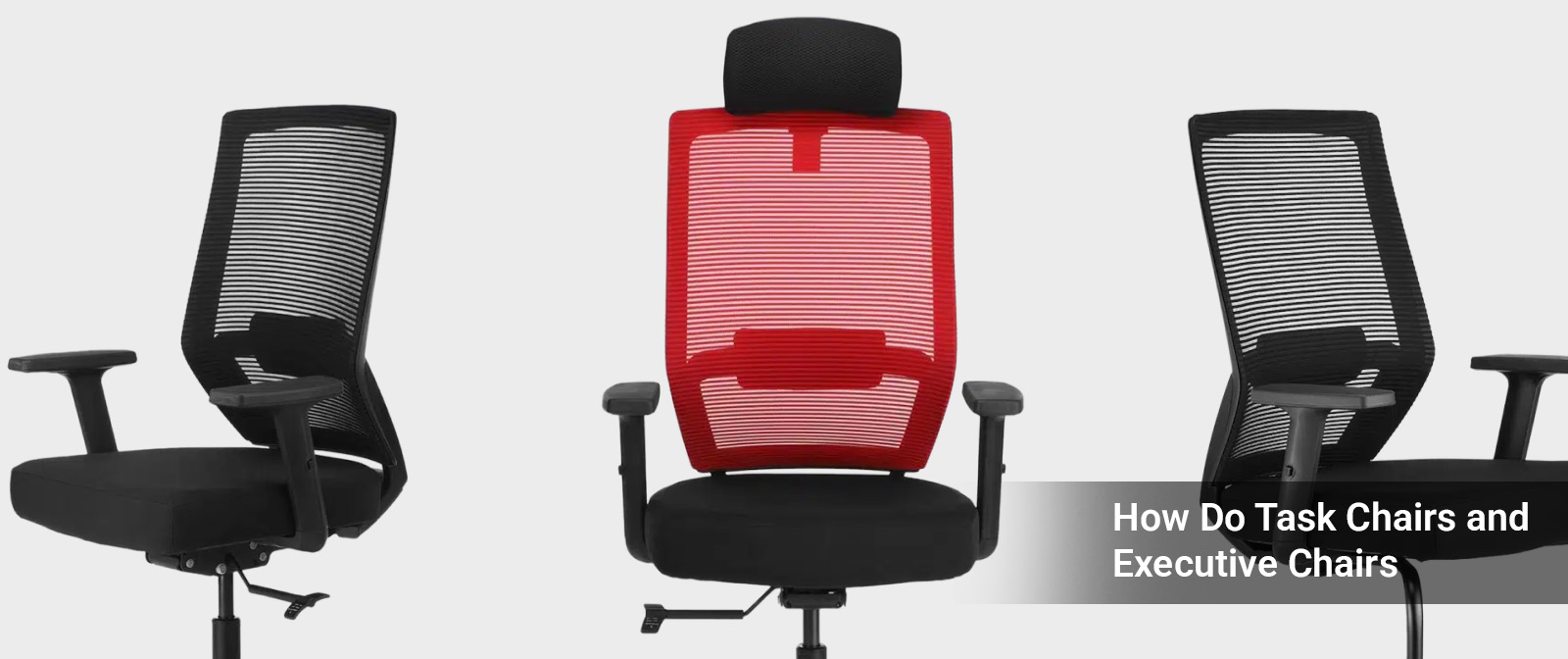
Task chairs commonly use breathable mesh, fabric upholstery, and lightweight frames.
Mesh designs are particularly useful in warm environments because they allow air to circulate around the back.
Executive chairs often feature leather, synthetic leather, fabric, or thick upholstered seating.
Material choice affects comfort and maintenance.
For example, mesh may feel cooler during long computer sessions, while padded upholstery provides a softer seating surface.
Buyers should also check stitching, foam quality, and frame strength before purchasing.
Which Chair Works Best for Different Office Spaces?
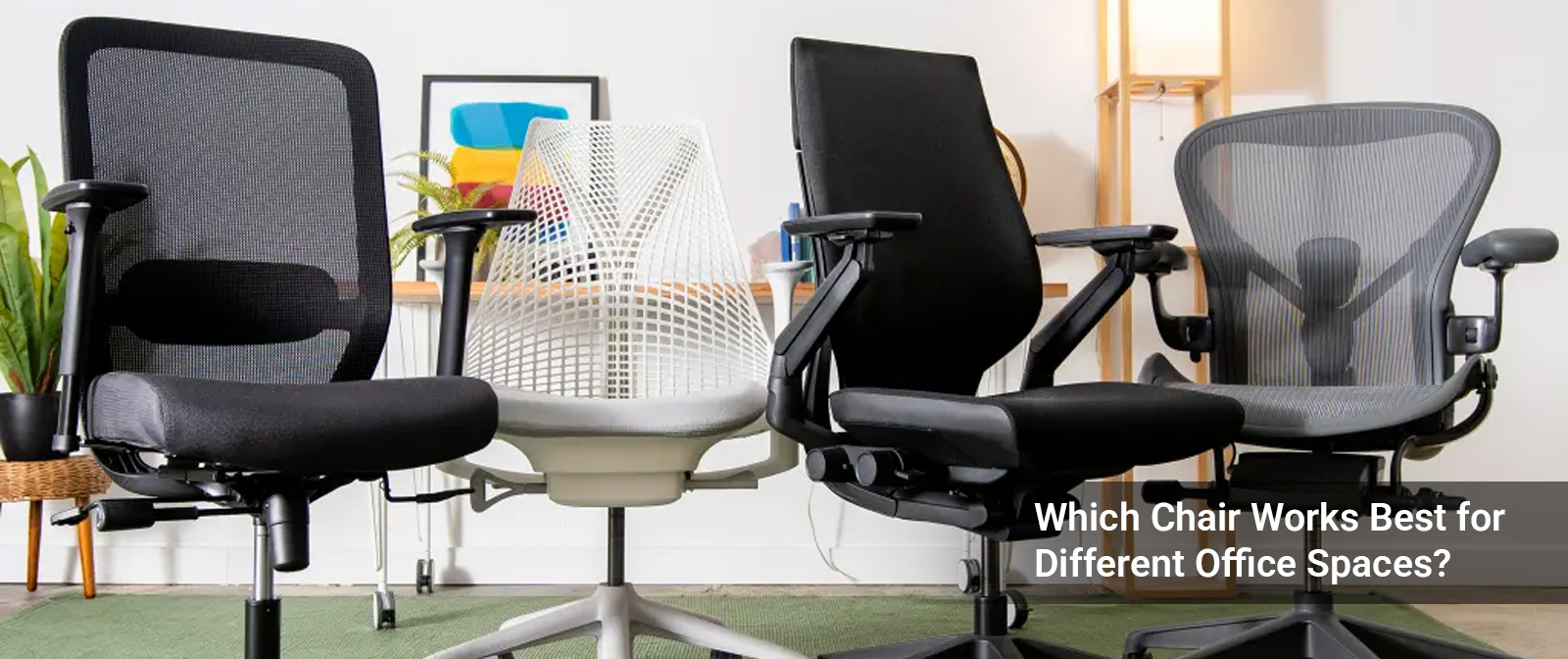
The right chair depends on the desk arrangement and the type of work performed.
- Workstation Desks: Task chairs are practical because they allow movement and regular adjustments.
- Executive Desks: Executive chairs suit private offices where appearance and comfort both matter.
- Height Adjustable Desks: Choose chairs with suitable seat-height adjustments for seated work.
- Meeting Tables: Meeting room chairs may be more practical for shared spaces and shorter discussions.
For reception areas, visitor chairs often make more sense than either option because guests typically sit for shorter periods.
What Should You Check Before Buying a Task Chair or Executive Chair?
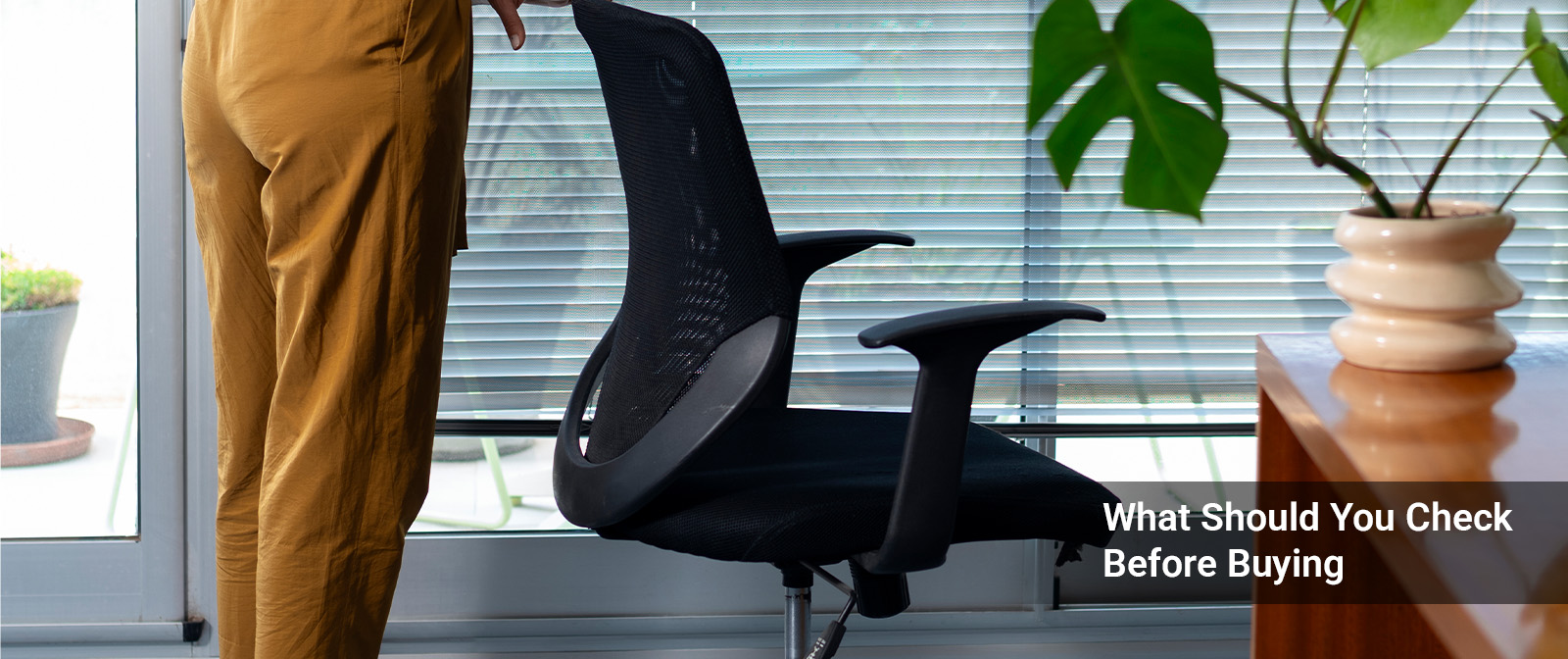
Before purchasing, sit in the chair and check whether it supports your usual working position.
Pay attention to these details:
- Seat Height: Your feet should rest comfortably on the floor.
- Back Support: The backrest should support your lower back.
- Seat Depth: Avoid seats that press against the back of your knees.
- Armrests: Your shoulders should remain relaxed.
- Movement: Check whether the chair swivels and reclines smoothly.
Also consider your available space, budget, and daily working hours.
A comfortable chair should fit you rather than forcing you to adjust your posture around its design.
What Is the Difference Between a Task Chair and an Executive Chair When Choosing the Right Office Seating?
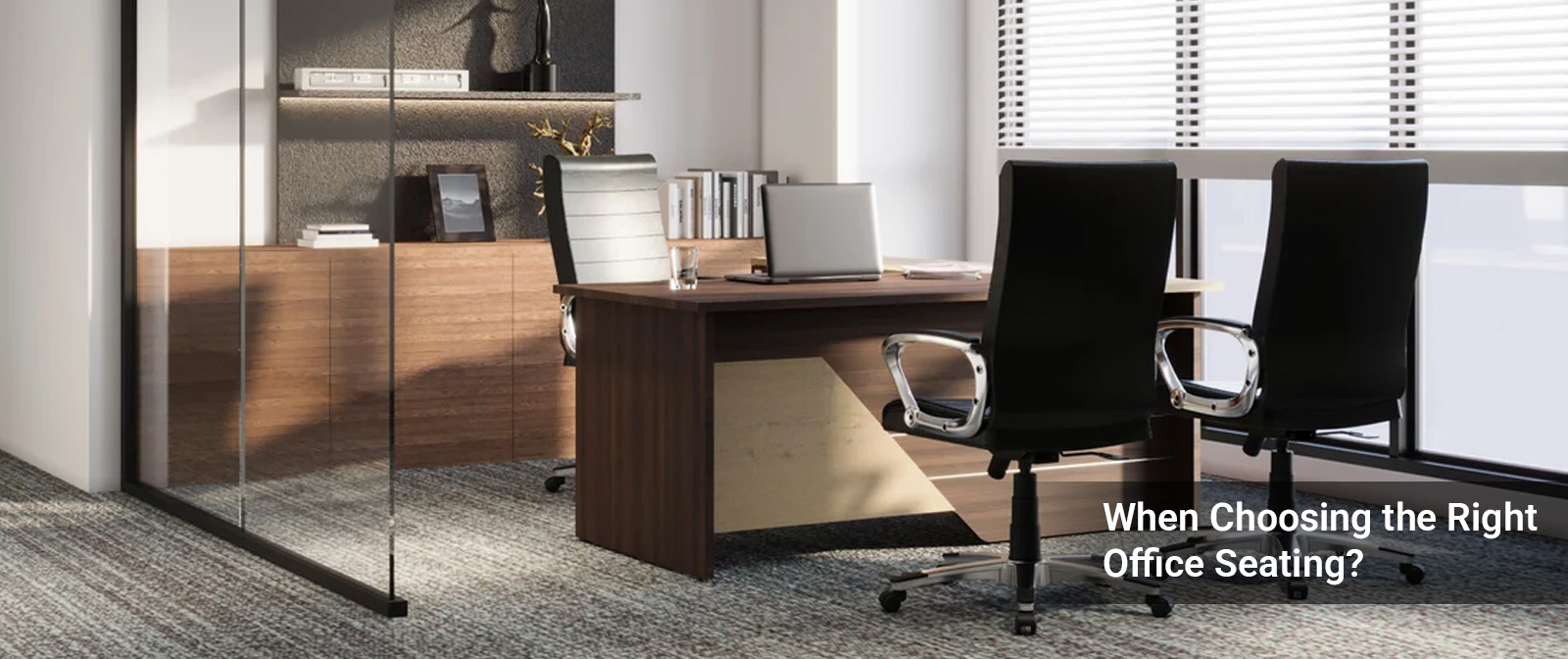
Understanding What Is the Difference Between a Task Chair and an Executive Chair helps you choose seating based on your work habits instead of appearance alone. Task chairs generally suit regular computer work, while executive chairs offer a formal design with different comfort options. Both can be suitable for daily use when they provide proper support. At Officebase, you can explore office chairs, workstation chairs, and executive chairs for different workplace needs.
Frequently Asked Questions
1. Is a task chair better than an executive chair?
A task chair is often better for regular computer work, while an executive chair suits formal offices and management cabins.
2. Can you use an executive chair for long hours?
Yes, provided it offers suitable lumbar support, comfortable cushioning, and adjustable seating positions.
3. What is the main purpose of a task chair?
A task chair supports everyday desk activities, including typing, computer work, and writing.
4. Are executive chairs more expensive than task chairs?
Executive chairs are often more expensive because of their size, upholstery, and design, although prices vary.
5. Which office chair is best for back support?
An ergonomic chair with adjustable lumbar support, suitable seat depth, and proper height adjustment is generally a good choice.