Quick Answer: The main difference between an ergonomic chair and a normal office chair is the level of support and adjustability. Ergonomic chairs offer features such as adjustable lumbar support, seat height, armrests, and backrests. Normal office chairs usually provide basic cushioning with fewer adjustments. An ergonomic chair is generally better for people who spend long hours working at a desk.
Key Facts:
- Main Difference: Ergonomic chairs offer more adjustable features than standard office chairs.
- Back Support: Ergonomic chairs often include adjustable lumbar support.
- Comfort: Both can be comfortable, depending on their design and fit.
- Sitting Duration: Ergonomic chairs are generally better suited to extended desk work.
- Adjustability: Normal office chairs typically have fewer adjustment options.
- Price: Ergonomic chairs often cost more due to their additional features.
- Best Choice: Choose a chair based on your working hours, body size, desk height, and comfort needs.
Ergonomic Chair vs Normal Office Chair: What's the Difference in Comfort, Design, and Everyday Use?
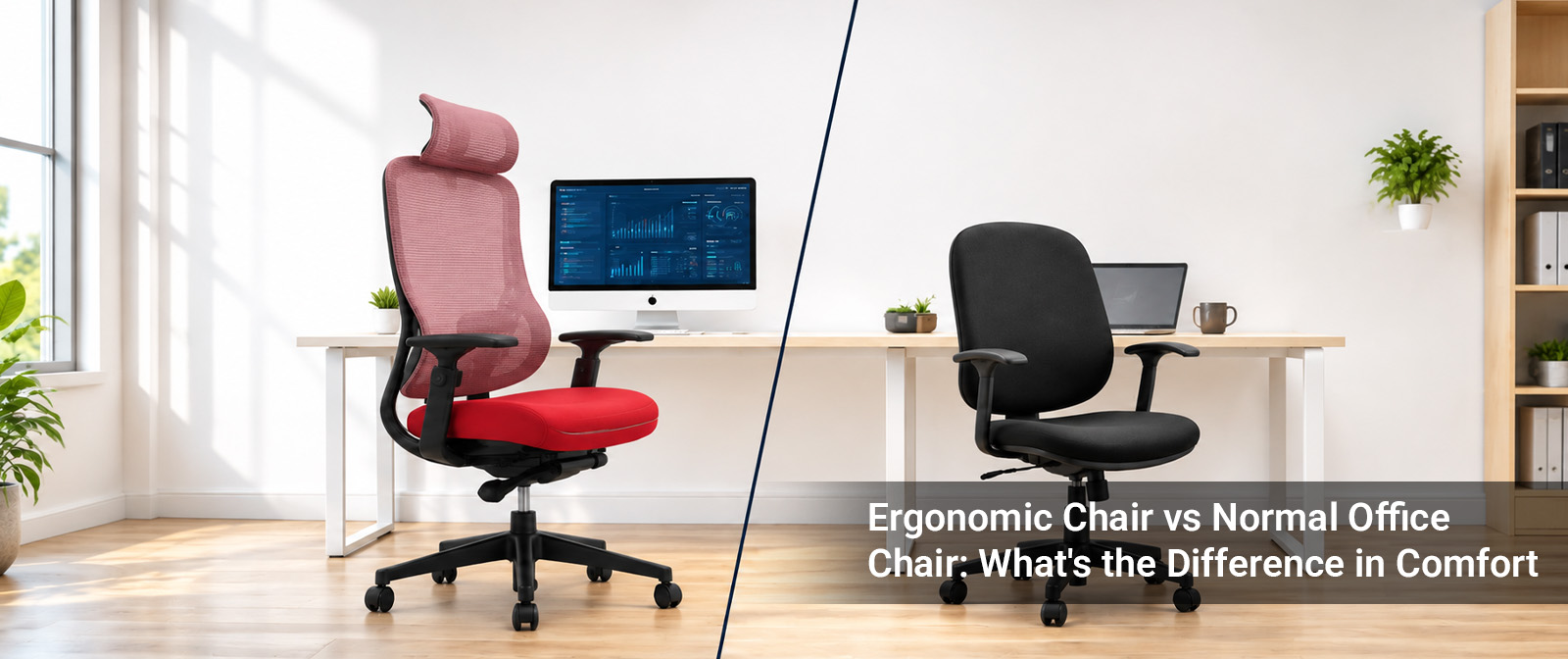
Choosing an office chair involves more than selecting an attractive design. The chair should support your body, fit your desk, and remain comfortable throughout your working day.
Ergonomic chairs and normal office chairs serve similar purposes, but they differ in construction, adjustment options, and seating flexibility.
A standard office chair usually includes a cushioned seat, backrest, and basic height adjustment. An ergonomic chair offers additional controls that help users adjust their sitting position.
People who spend several hours using computers may benefit from ergonomic seating. However, a well-designed normal office chair can also provide sufficient comfort for shorter working sessions.
What Is an Ergonomic Chair, and Why Is It Different?
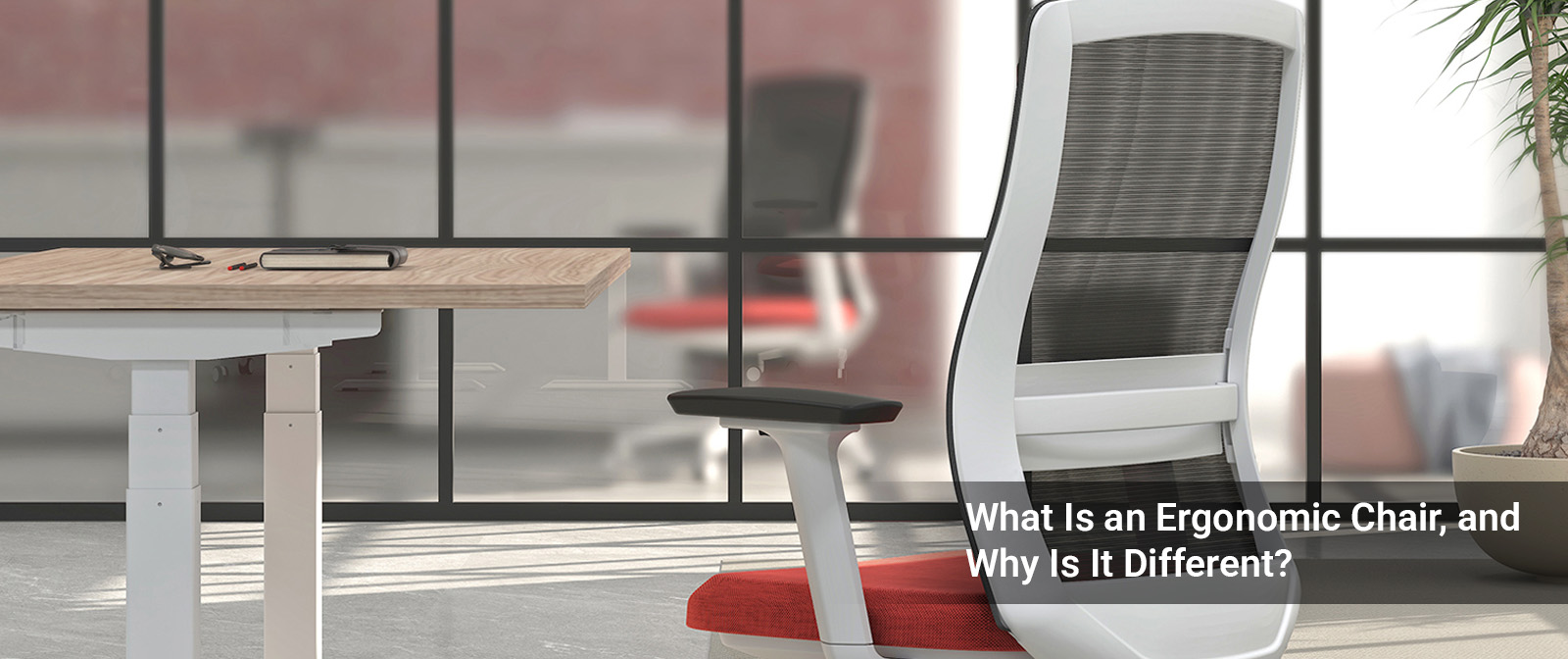
An ergonomic chair is designed to accommodate different body sizes and sitting positions through adjustable features.
Most ergonomic office chairs include lumbar support, adjustable seat height, reclining backrests, and armrest adjustments. Some models also allow users to change seat depth and backrest tension.
These features help users maintain comfortable sitting positions without placing unnecessary pressure on their lower back, shoulders, or thighs.
For example, employees using workstation chairs throughout the day can adjust their seating according to their desk height and computer position.
How Does a Normal Office Chair Compare With an Ergonomic Chair?
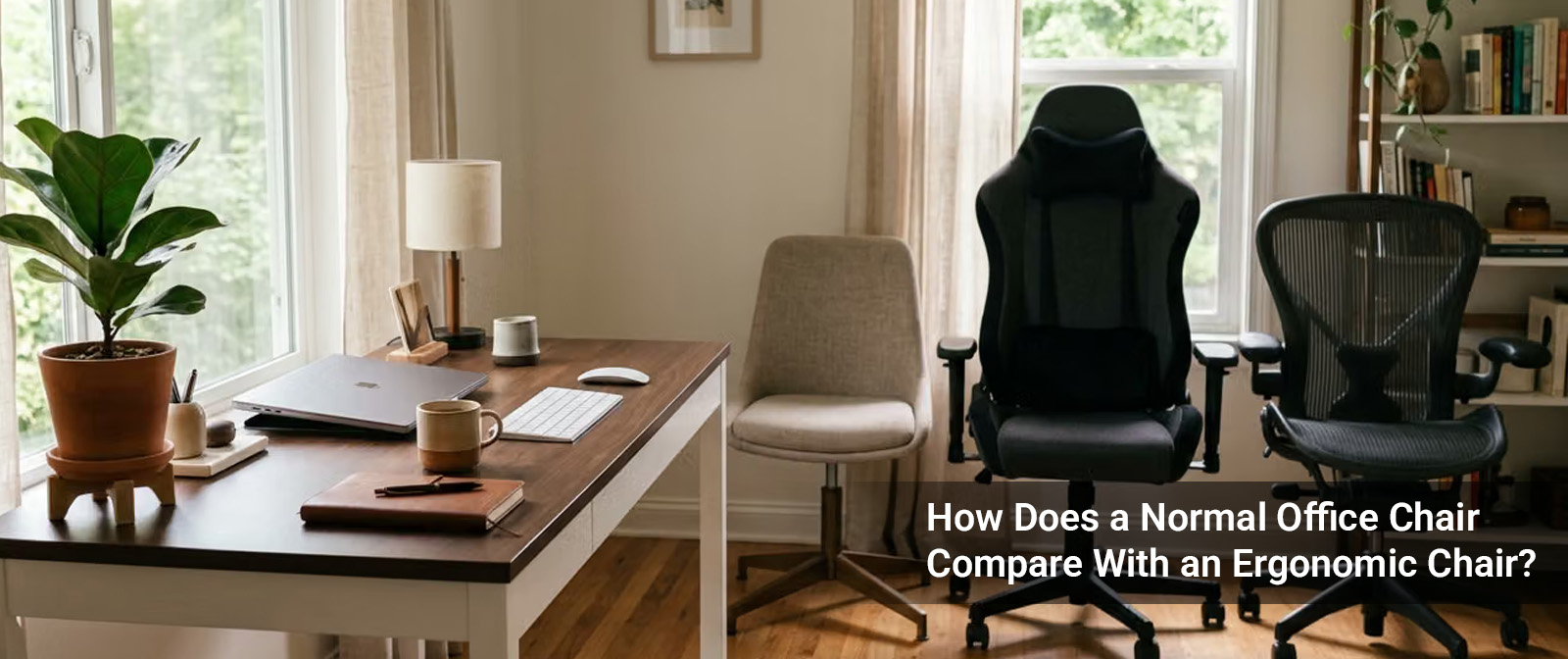
A normal office chair provides basic seating support without extensive adjustment options.
Many traditional office chairs feature fixed armrests, standard cushioning, and simple reclining mechanisms. Some models also include height adjustment and swivel bases.
The main differences include:
- Backrest Design: Ergonomic chairs often provide adjustable back support, while normal chairs generally have fixed backrests.
- Seat Adjustment: Ergonomic models may offer seat-depth controls alongside height adjustment.
- Armrest Flexibility: Standard chairs frequently use fixed armrests, whereas ergonomic models may offer several adjustment options.
- Movement: Ergonomic chairs often provide more control over reclining and sitting positions.
- Cost: Standard office chairs are generally more affordable than models with advanced adjustments.
Neither category guarantees comfort. Individual fit and construction quality remain important.
Why Are Ergonomic Chairs More Comfortable for Long Working Hours?
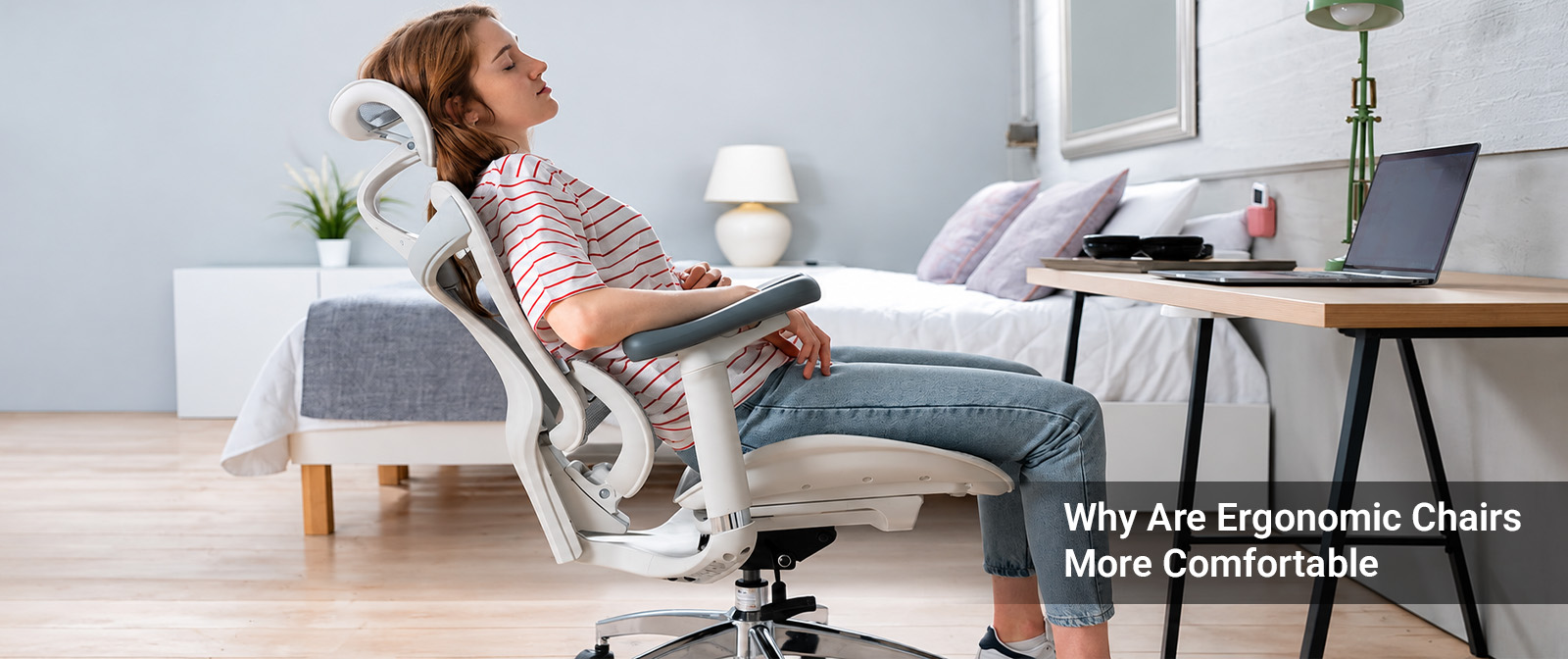
Ergonomic chairs allow users to adjust their sitting positions throughout the working day.
Proper lumbar support helps maintain the lower back's natural curve, while seat-height adjustments allow users to position their feet comfortably.
Adjustable armrests can also reduce unnecessary shoulder tension when positioned correctly.
For people working at computers for extended periods, these features can make everyday seating more comfortable.
However, sitting continuously is not recommended, even with a supportive chair. Regular movement and short standing breaks remain important.
Which Types of Office Chairs Are Best for Different Workspaces?
Different workplaces require different seating arrangements. Understanding each category can help you select suitable furniture.
Are Executive Chairs Good for Long Working Hours?
Executive chairs often include high backrests, comfortable cushioning, and reclining mechanisms. They suit private offices and management cabins. Models with adjustable lumbar support and suitable seat dimensions may provide greater comfort during extended work.
Why Are Workstation Chairs Suitable for Daily Computer Work?
Workstation chairs are commonly designed for regular computer use. Many include mesh backrests, adjustable seat heights, and flexible support. They work particularly well alongside workstation desks and height adjustable desks.
Can Visitor Chairs and Meeting Room Chairs Replace Ergonomic Chairs?
Visitor chairs and meeting room chairs generally serve shorter sitting sessions. Although they provide basic comfort, many lack the adjustments needed for prolonged computer work. They are more suitable for guest seating, discussions, and occasional meetings.
What Features Should You Check Before Buying an Office Chair?
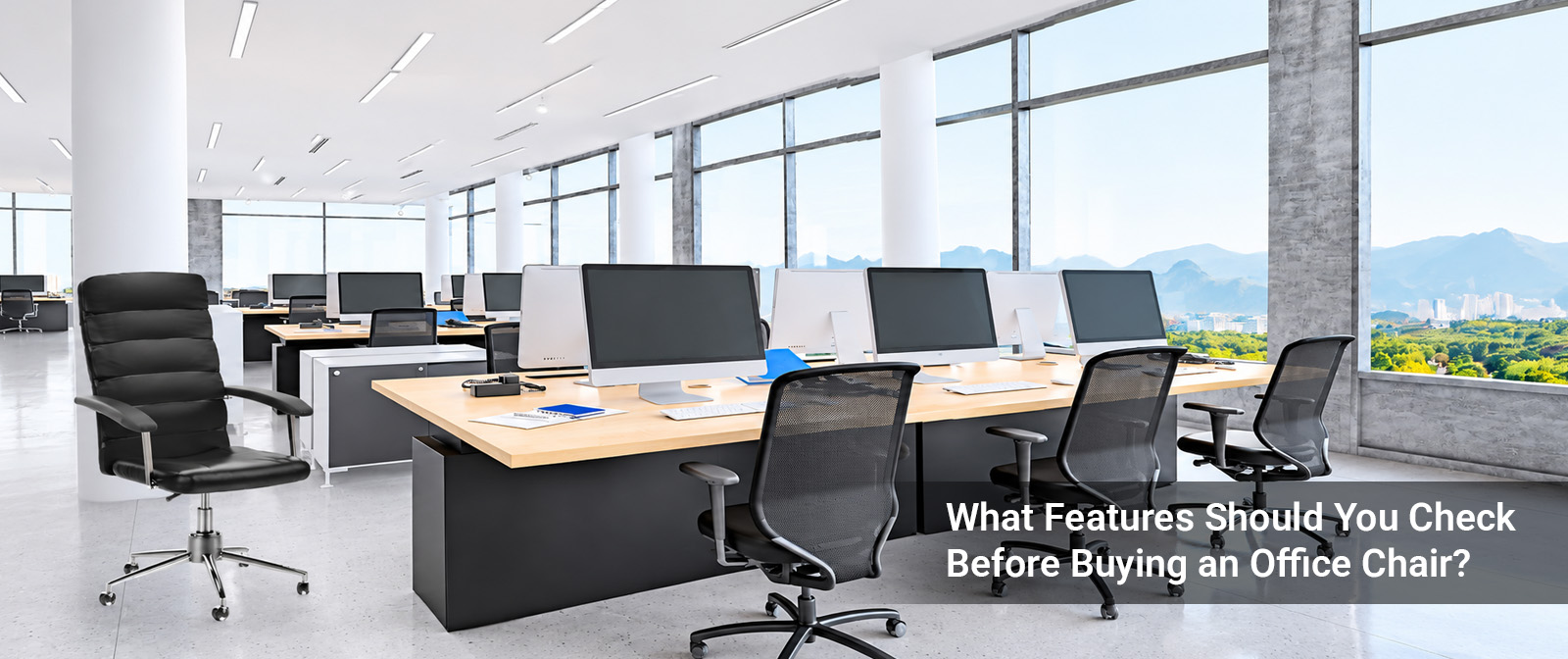
A comfortable chair should match your body proportions and workstation requirements.
Consider these important features:
- Lumbar Support: Choose a backrest that supports your lower back comfortably.
- Seat Height: Your feet should rest flat on the floor or a footrest.
- Seat Depth: Maintain a small gap between the seat edge and the back of your knees.
- Armrests: Select positions that allow your shoulders to remain relaxed.
- Material: Consider breathable upholstery and durable cushioning.
- Reclining Mechanism: Look for smooth movement and appropriate backrest support.
Testing a chair before purchasing can help you identify the most comfortable option.
Is an Ergonomic Chair Worth Buying for Your Office?
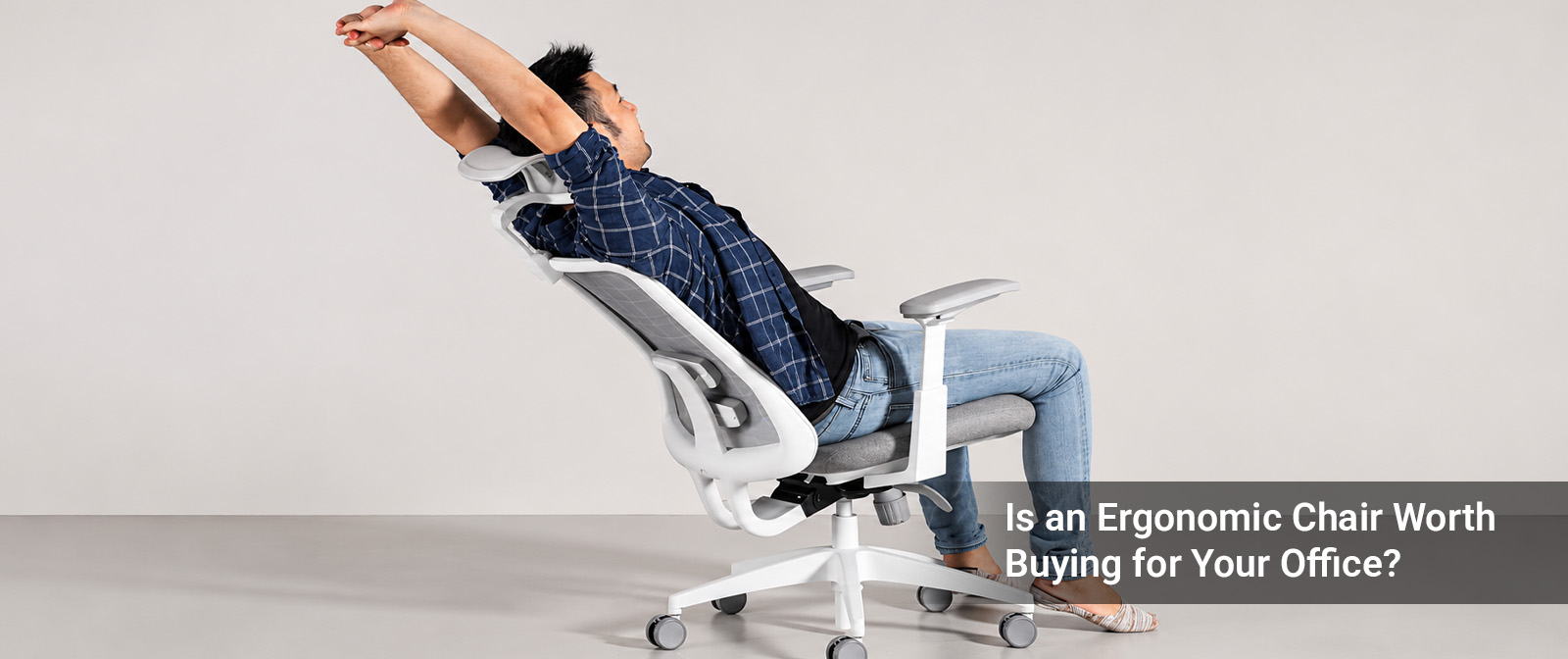
An ergonomic chair is worth considering when you spend several hours working at a computer.
Its adjustable features allow you to personalise your seating position, making it suitable for regular office work.
However, normal office chairs remain practical for occasional use, smaller workspaces, and limited budgets.
When comparing Ergonomic Chair vs Normal Office Chair: What's the Difference, focus on comfort, adjustability, and daily usage rather than appearance alone. Officebase offers office chairs, executive chairs, and workstation chairs for different workplace requirements, helping you choose seating that matches your working habits and available space.
Frequently Asked Questions
1. Is an ergonomic chair better than a normal office chair?
An ergonomic chair generally offers more adjustments and can provide better personalised support during extended desk work.
2. Which office chair is best for back support?
An ergonomic office chair with adjustable lumbar support and suitable seat dimensions is a good choice.
3. Can I use a normal office chair for long hours?
Yes, provided it fits your body and workstation, although limited adjustments may reduce comfort.
4. Are ergonomic chairs worth the extra money?
They can be worthwhile for people who need adjustable seating for several hours of daily computer work.
5. What is the best chair for working from home?
An adjustable workstation chair with comfortable cushioning, lumbar support, and suitable seat height is a practical option.