Quick Answer: Choose waiting area chairs based on comfort, durability, available space, and cleaning requirements. Hospitals require seating that is easy to clean and firm in support, whereas offices can benefit from comfortable reception chairs that match their interior decor. Look for sturdy frames, back supports, helpful armrests and materials that can handle regular, heavy daily use.
Key Facts:
- Comfort: Supportive backrests and suitable seat heights improve sitting comfort.
- Durability: Metal frames and commercial-grade materials withstand frequent use.
- Hygiene: Easy-to-clean surfaces are particularly important in hospitals.
- Space: Compact seating arrangements help maintain clear walkways.
- Accessibility: Armrests and suitable seat heights make sitting and standing easier.
How to Choose Waiting Area Chairs for Hospitals & Offices Based on Comfort, Space, and Durability?

Choosing the right waiting area chairs starts with understanding who will use them and how long they may need to sit. Hospital patients, elderly visitors, office clients, and job applicants all have different seating requirements.
A hospital waiting room needs practical furniture that supports frequent cleaning and easy movement. Corporate reception areas are concerned with appearance, comfort and professional presentation.
The best waiting room chairs balance these needs without compromising safety or accessibility. Think in terms of daily visitor numbers, typical waiting times, available floor space and maintenance requirements before you buy.
Why Is Comfortable Seating Important in Hospital and Office Waiting Areas?

Comfortable waiting area seating helps visitors feel at ease while attending appointments, meetings, or consultations. Uncomfortable chairs can make even a short waiting period frustrating.
Look for these important features:
- Supportive Backrests: Help visitors maintain a comfortable sitting position.
- Firm Cushioned Seats: Provide support without excessive sinking.
- Suitable Seat Height: Makes sitting down and standing up easier.
- Practical Armrests: Offer additional support, particularly for older visitors.
- Appropriate Seat Depth: Accommodates different body sizes comfortably.
Reception chairs should provide support without forcing visitors into awkward sitting positions.
Which Waiting Area Chairs Are Best for Hospitals and Clinics?
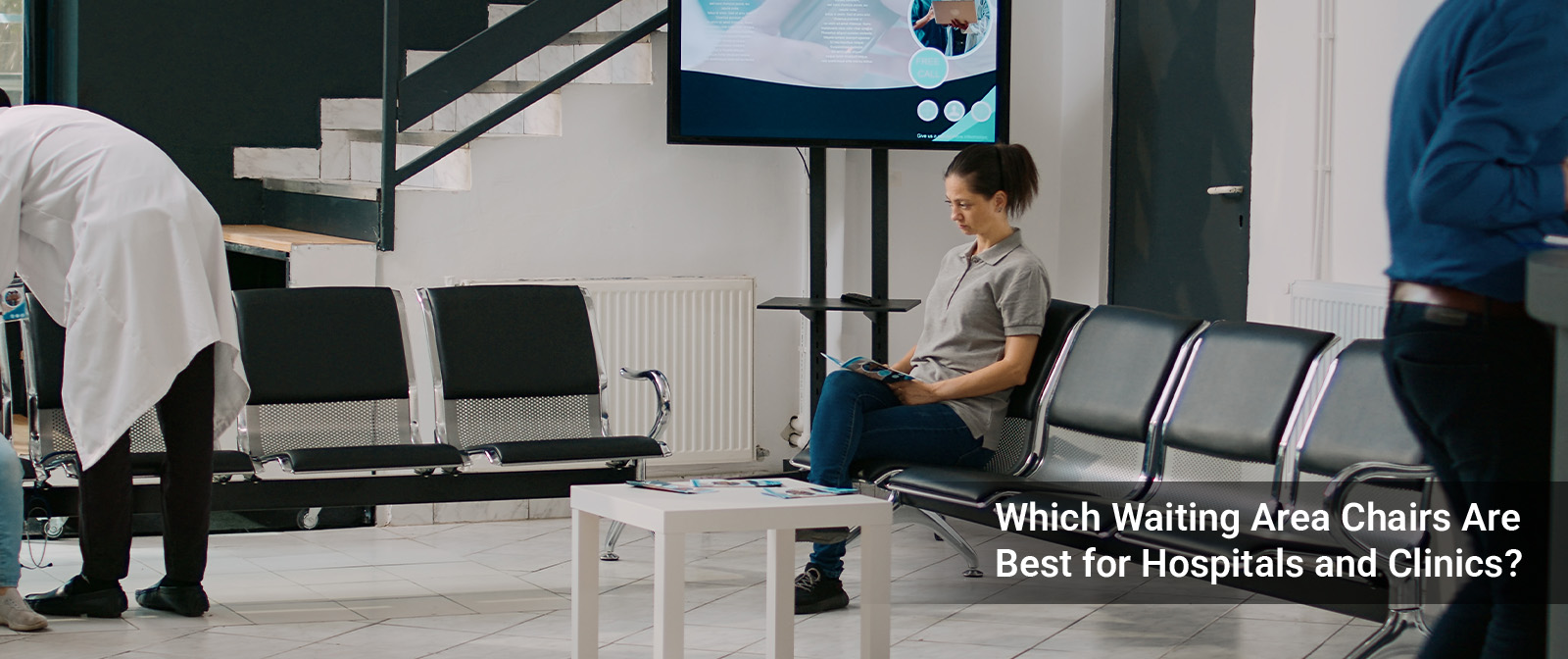
Hospital waiting chairs should prioritise hygiene, accessibility, and long-term durability. “Practical seating is a must for healthcare facilities that serve visitors with a range of physical abilities.
Choose chairs with smooth, cleanable surfaces and sturdy frames. Avoid deep cushions that make standing difficult. Armrests can help patients who need extra support.
Hospitals should also consider:
- Materials compatible with approved cleaning products.
- Stable seating that does not move unexpectedly.
- Adequate space for wheelchairs and mobility aids.
- Suitable seating options for larger patients.
- Easy access to entrances, counters, and corridors.
Healthcare facilities should check applicable accessibility and infection-control requirements before finalizing furniture.
Which Types of Chairs Work Best in Corporate Reception Areas?
Corporate offices can choose several seating styles depending on visitor numbers and reception layouts.
Are Reception Chairs Suitable for Professional Waiting Areas?
Yes. Reception chairs provide practical seating for clients, guests, and job applicants. Choose designs with comfortable padding, stable frames, and colours that complement reception desks.
Can Visitor Chairs Work in Small Office Waiting Rooms?
Visitor chairs suit compact reception areas because many models have simple frames and take up less floor space. They work particularly well for short appointments and occasional guests.
Should Offices Choose Sofas or Individual Chairs?
Sofas create a relaxed atmosphere in spacious reception areas. Individual chairs offer greater personal space and flexibility. Both can be combined to cater for different tastes of visitors.
What Materials Are Best for Waiting Area Chairs?

The right material depends on cleaning frequency, expected usage, and interior style.
| Material |
Main Advantage |
Suitable For |
| Powder-coated metal |
Strong and easy to maintain |
Hospitals and busy offices |
| Vinyl upholstery |
Wipe-clean surface |
Clinics and reception areas |
| Fabric upholstery |
Comfortable appearance |
Corporate waiting rooms |
| Moulded plastic |
Lightweight and practical |
High-traffic waiting areas |
| Wood |
Warm, professional appearance |
Office reception spaces |
For healthcare environments, verify that the upholstery and cleaning products are compatible before purchasing.
How Can You Arrange Waiting Room Chairs in Small Spaces?
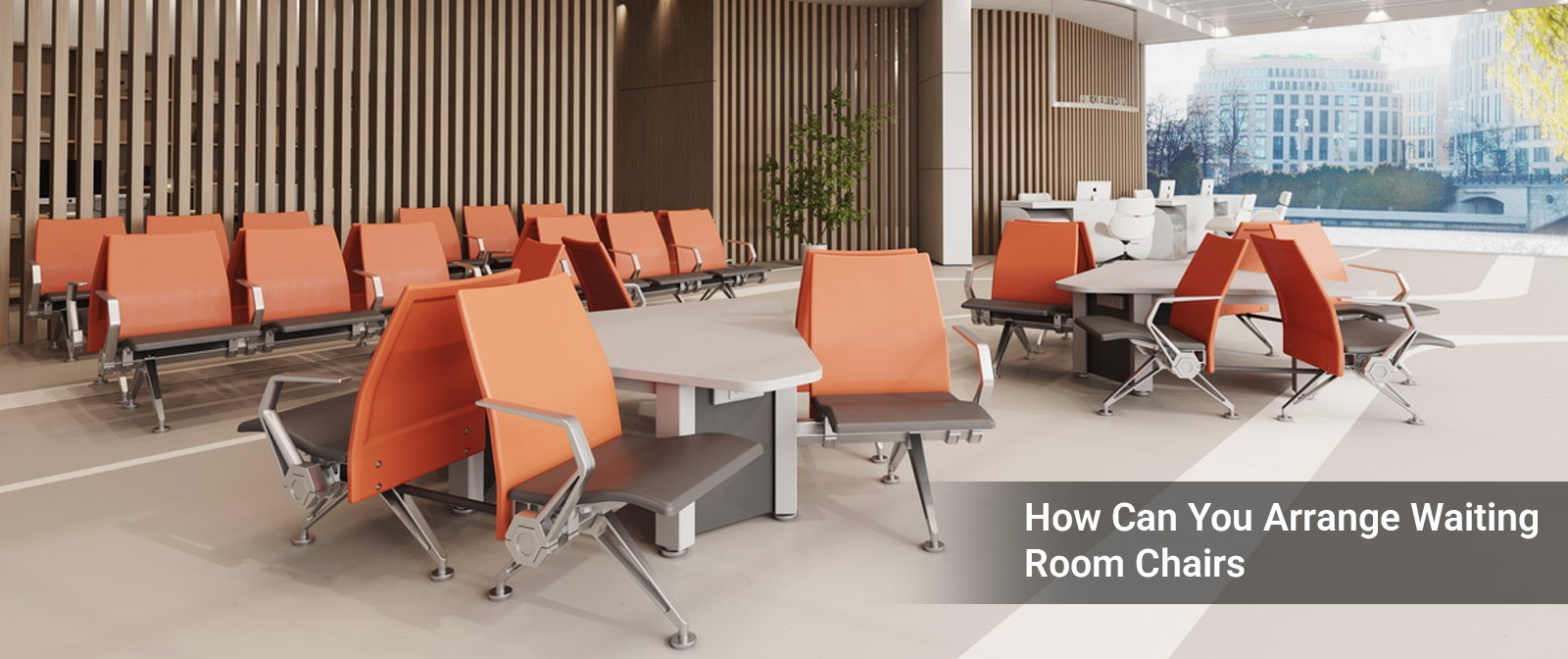
Start by measuring the room and identifying entrances, reception counters, and walking routes.
Place chairs where visitors can sit comfortably without blocking movement. Avoid squeezing extra seating into narrow corridors.
Consider these arrangements:
- Single-Row Seating: Works well along walls in narrow rooms.
- Grouped Seating: Creates separate waiting zones in larger offices.
- Modular Seating: Allows flexible arrangements when visitor numbers change.
- Mixed Seating: Combines standard chairs with accessible seating options.
Coffee tables may complement spacious reception areas, but they should never restrict wheelchair access or circulation.
How Do You Choose Durable Waiting Room Furniture Within Your Budget?

Compare the total cost of ownership rather than selecting the cheapest chair.
Check frame strength, manufacturer specifications, upholstery quality, warranty coverage, and replacement-part availability.
Before placing a bulk order, request a sample chair where possible. Test its comfort, stability, and ease of cleaning.
For offices, matching reception chairs with reception desks and other furniture can create a consistent appearance without requiring expensive decorative additions.
Where Can You Find Suitable Waiting Area Chairs for Hospitals and Offices?

Understanding How to Choose Waiting Area Chairs for Hospitals & Offices helps you select furniture that suits visitors, available space, and daily usage. Prioritise comfortable seating, practical materials, and easy maintenance. At Officebase, you can explore visitor chairs, reception chairs, sofas, and other office furniture to plan a functional waiting area that matches your requirements and budget.
Frequently Asked Questions
1. What type of chairs are best for hospital waiting rooms?
Sturdy chairs with supportive backrests, armrests, and easy-to-clean surfaces are suitable for hospital waiting rooms.
2. Which chairs are best for office reception areas?
Reception chairs and visitor chairs are practical choices for comfortable, professional office waiting areas.
3. How do I choose comfortable waiting room chairs?
Check seat height, back support, cushioning, armrests, and available legroom before purchasing.
4. What is the best material for waiting area chairs?
Metal frames with durable, easy-to-clean upholstery are practical for high-traffic waiting areas.
5. How many chairs should a waiting room have?
Choose the number based on peak visitor demand, available floor space, and accessibility requirements.